 Mahjong Racer Games
Spin It Reflex Puzzle succeeds by narrowing its focus: one tap rotates all obstacles, so every failure traces back to timing rather than control complexity. The rising difficulty and short level structure suit players who prefer brief, repeatable attempts over long sessions. Its availability on Android, iOS, and browser lowers the barrier to entry. The main limitation is that the input does not describe audio, visuals, or level count, so those expecting a richly presented puzzle game should note the emphasis is squarely on the core mechanic.
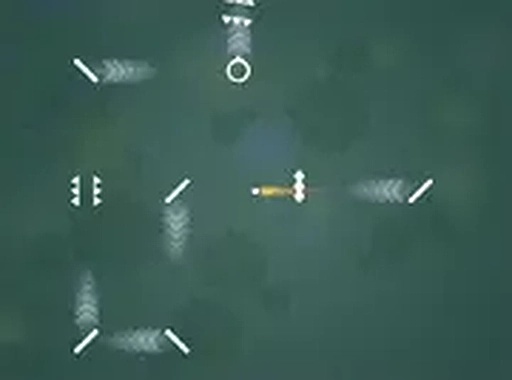
Spin It Reflex Puzzle strips its control scheme down to one input: a tap or click. That single action rotates or shifts every obstacle on screen at once, so you cannot adjust one piece at a time. The ball keeps moving, and your only lever is the timing of that global rotation. This constraint defines every level—you are not steering the ball directly but reshaping the path around it. [IMG_1]
Each stage presents a fresh arrangement of obstacles between the ball and the finish line. Success depends on watching the ball's trajectory and predicting where it will be a moment from now. Rotating too early or too late sends it into a blocker instead of through the gap you intended. The challenge is less about speed and more about matching your tap to the ball's position. Later patterns compress the window for that decision, which is where the reflex demand comes from.
Levels are designed to be quick to attempt but hard to perfect. Early stages give you generous timing windows; later ones ask for tighter precision and faster recognition of how a rotation will redirect the ball. That structure suits short play sessions—you can retry a single pattern repeatedly without a long setup. The difficulty curve is the main progression, with new obstacle layouts testing whether you have internalized the timing from earlier levels. [IMG_2]
Spin It Reflex Puzzle runs on Android, iOS, and in a browser. The browser version is free to play and supports full-screen mode, which reduces distractions during precision attempts. On desktop, mouse or keyboard input works alongside the tap equivalent. The same one-tap logic carries across platforms, so the core challenge does not change based on where you play.
Sign in to comment
You must be logged in before posting a review or rating.
No comments yet. Be the first to comment!









Editorial Notes