 Mahjong Racer Games
Mahjong Racer Games
Mahjong Racer Games
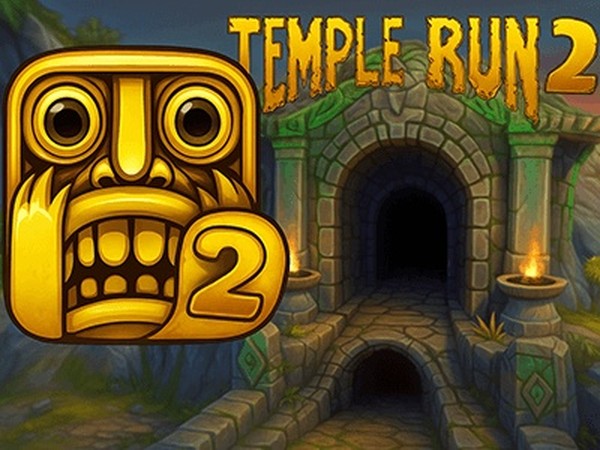
Temple Run 2 succeeds because its controls are easy to learn but hard to master. Jumping, sliding, and turning are simple actions, yet the procedural paths keep you guessing. Gold coins feed into Shields, Magnets, and Boosts, giving each run a purpose beyond distance. Daily challenges add structure. The limitation is that there is no story campaign or permanent progression beyond your own records, so players who want a defined ending may lose interest. It suits anyone who enjoys short, reflex-driven sessions on mobile or tablet.
Temple Run 2 opens with a simple premise: your character has taken a treasure from an ancient temple, and that act triggers a chase. From that point, the game becomes a test of how long you can keep moving. The path ahead is procedurally generated, so no two runs follow the same layout. You run through forests, along cliffs, and past ruins, with traps and obstacles placed to interrupt your momentum. The goal is not to reach a finish line but to cover as much distance as possible before a mistake ends the run.
Inputs are intentionally minimal. You jump over pits and low obstacles, slide under barriers, and shift lanes to avoid falling off narrow paths. Sharp turns require you to swipe in the direction you want to go, and hesitating at a corner usually costs the run. Gold coins are scattered along the route, and collecting them raises your score while building a currency for power-ups. The challenge comes from reading the environment quickly: a pit might demand a jump, but a barrier immediately after it may require a slide, and the order matters.
Coins you collect during a run can be spent on power-ups that change how you survive. A Shield absorbs one mistake, a Coin Magnet pulls nearby coins toward you, and a Boost covers ground quickly. These tools are not permanent upgrades; they are temporary aids that reward players who manage their coin totals and decide when to activate help. Daily challenges add specific objectives and extra rewards, giving regular players a reason to return beyond beating a personal distance record.
The 3D graphics and smooth animations keep the action readable even at high speed, and the controls are simple enough for newcomers to understand within a minute. Players who enjoy reflex-driven games will find that timing and lane awareness matter more than complex inputs. Because the game is free to play online and designed for mobile and tablet, it works well for short sessions. The main limitation is that progress depends on repeated runs rather than a story campaign, so the appeal rests on improving your own distance and coin totals.
Sign in to comment
You must be logged in before posting a review or rating.
No comments yet. Be the first to comment!









Editorial Notes