 Mahjong Racer Games
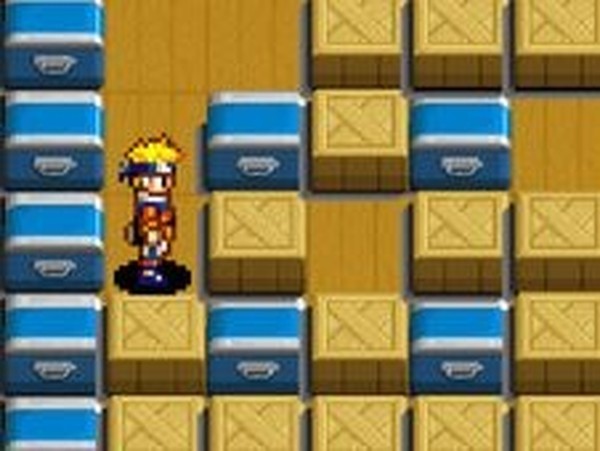
Maze Clear Adventure blends route-finding with item-based interference, giving solo and local two-player matches a tactical edge. The changing maze layouts and optional AI opponents add replay value, while the anime-inspired visuals keep the tone approachable. Its strength lies in the clear item mechanic, which rewards planning over reflexes. Players wanting deep progression or online play will find the scope modest, but as a short-session strategy game it delivers a focused, family-friendly challenge.
Each match in Maze Clear Adventure drops players into a maze with a single goal: reach the exit before your rivals do. Movement is handled through keyboard input, with Player 1 on WASD and Player 2 on the arrow keys. The layouts are not static backdrops — they change between rounds, so memorizing one path only helps until the next set of walls appears. Because the maze itself is the primary obstacle, efficient route-finding matters as much as speed.
The defining mechanic is the clear item. Rather than simply removing a wall, a clear item lets you reshape the board mid-match: open a shortcut for yourself, or seal a corridor an opponent was counting on. That dual purpose turns every item pickup into a decision. Spend it early to gain ground, or hold it to punish a rival who commits to a predictable path. Players activate their item with a dedicated key — spacebar for Player 1 and a separate binding for Player 2 — so the timing of that press is part of the skill ceiling.
Maze Clear Adventure offers a one-player mode against computer-controlled characters and a two-player mode for local play on a shared device. Extra AI opponents can be added to raise the difficulty, and clearing a maze against more rivals increases the potential score. The game is built for short, replayable sessions rather than long campaigns, which suits the pick-up-and-play nature of its Flash-era design.
Success depends on planning a few moves ahead. Watch where opponents are heading before you commit to a route, and treat clear items as a way to control space rather than a panic button. In multiplayer, anticipating a friend's next turn and placing a block in their path is often more valuable than racing ahead. The anime-inspired visuals keep the tone light, but the underlying contest is a straightforward test of spatial reasoning and timing.
Sign in to comment
You must be logged in before posting a review or rating.
No comments yet. Be the first to comment!
Editorial Notes