 Mahjong Racer Games
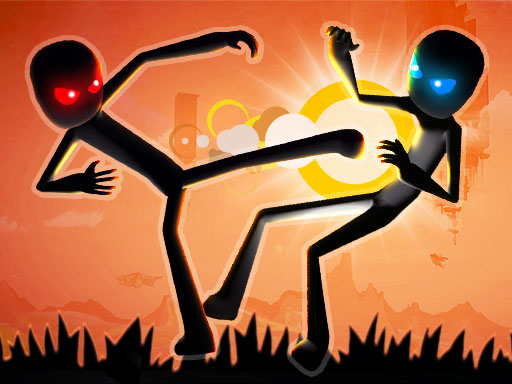
Shadow Stickman Duel Arcade strips fighting games down to timing, positioning, and a single special attack. The shadow stickman style keeps the action clean and non-graphic, while the strike bar adds a layer of decision-making beyond basic punches and kicks. Single-player offers reactive AI, and local two-player mode turns each duel into a test of pattern reading. Matches are short, so it suits players who want fast, accessible fights rather than deep combo systems.
Shadow Stickman Duel Arcade is a one-on-one fighting game built around short, focused matches. Each player controls a shadow stickman and aims to reduce the opponent's health bar to zero before their own is depleted. The shadow stickman theme gives the action a sleek, non-graphic look that keeps the focus on timing and positioning rather than visual clutter. Matches are designed to last only a few minutes, making the game suitable for quick sessions or repeated rematches.
Players use on-screen buttons to throw punches and kicks. Every landed hit adds to a special strike bar. When that bar is full, a fire attack becomes available and deals heavy damage. This creates a clear risk-reward loop: players can keep chipping away with basic attacks, or hold back and time the fire attack for a decisive moment. In single-player mode, the AI opponent reacts to the player's movements, so mindless button-mashing is less effective than reading the opponent's position and striking at the right time.
The game offers two distinct ways to play. In single-player mode, you face a computer-controlled opponent that responds to your actions. In two-player mode, both players share the same screen and the same set of on-screen controls, turning each duel into a local multiplayer contest. Because both fighters use identical controls, success depends on timing, pattern recognition, and knowing when to attack or hold back. The shared-screen setup makes it easy to pick up and play with someone nearby without any additional setup.
Each match is quick and intense, with clear health bars tracking progress. The simple control scheme is easy to learn, but the strategic layer comes from managing the strike bar and choosing when to commit to the fire attack. In two-player mode, learning an opponent's habits and adapting your approach matters as much as raw reaction speed. Avoiding unnecessary attacks helps conserve momentum and keeps the fire attack ready for the right opening. The result is a fighting game that rewards patience and smart decision-making over complex inputs.
Sign in to comment
You must be logged in before posting a review or rating.
No comments yet. Be the first to comment!



Editorial Notes