 Mahjong Racer Games
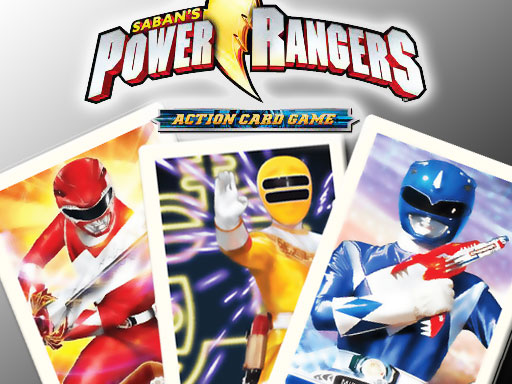
Power Rangers Reflex Card Match keeps things simple: two players, one table of cards, and a race to spot identical pairs. The strength is its low barrier to entry, making it easy for kids and adults to compete together. The limitation is depth; players seeking layered strategy will find it shallow. It works best as a quick family or casual activity rather than a long session game.
Power Rangers Reflex Card Match turns a simple matching task into a head-to-head race. Two players take turns placing Power Rangers cards onto the playing area. The moment any two cards on the table are identical, both players can react. The first to press the button and grab the matching pair claims those cards. Speed matters, but so does accuracy: grabbing the wrong pair wastes a turn and gives your opponent an opening.
Because cards are added one at a time, the table state changes constantly. You cannot memorize a fixed layout; you have to track each new card against everything already visible. That constant scanning is what separates a quick player from a distracted one. The game rewards short bursts of intense focus rather than long strategic planning, which keeps rounds snappy and easy to replay.
The rules take seconds to explain, so children and adults can compete on fairly even ground. No complicated setup or scoring sheets are needed. The colorful Power Rangers artwork gives fans a familiar visual anchor, and the non-violent matching format suits family game nights. Friendly competitions work well because each round is short and the outcome often hinges on a single fast reaction.
Regular play trains visual scanning and reaction time without feeling like a drill. Players who stay calm tend to outperform those who rush, since panic leads to missed matches. Learning the card designs helps you recognize duplicates faster. The game works as a casual warm-up or a recurring family challenge, and its two-player structure means every match is direct and personal.
Sign in to comment
You must be logged in before posting a review or rating.
No comments yet. Be the first to comment!








Editorial Notes