 Mahjong Racer Games
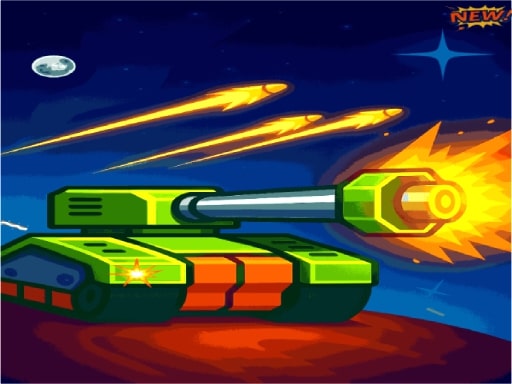
Star Command Tactical Operations leans into team coordination rather than solo carrying. The role system forces players to think about composition, and cooldown-based abilities make timing a real decision instead of a reflex test. Simple controls keep the focus on strategy, which helps newcomers but still leaves room for experienced players to master counters and map control. The main limitation visible in the description is that it assumes a cooperative team; players who prefer solo play may find the experience less rewarding.
Every match in Star Command Tactical Operations starts with a choice that shapes the entire round: which tactical role to take. Roles differ in how they contribute. Some are built to support from a distance, while others move quickly to assist teammates or hold key positions on the map. Because no single role can handle every situation alone, the game pushes players to think about how their pick complements the rest of the team. Coordination is the main path to success, and team composition often matters more than individual performance.
During a match, players move a character across the map, use primary tools to interact with the environment and opponents, and trigger special abilities at critical moments. Each ability runs on a cooldown, so timing is everything. A well-timed support action might cover a teammate, repair a defensive structure, or reposition to block an enemy advance. The game rewards strategic positioning and thoughtful decisions over impulsive play, and matches are designed to be fast-paced enough that players must constantly reassess the situation.
The controls are deliberately simple, which lets players focus on the strategic layer instead of fighting the input scheme. Newcomers can learn the basics of movement and ability use quickly, but understanding the nuances of each role and how to counter different team compositions takes practice. That balance makes the game suitable for casual players who want a quick match and for experienced strategists who enjoy planning coordinated team maneuvers. The sci-fi setting provides a visually engaging backdrop without distracting from the core tactical gameplay.
Getting better at Star Command Tactical Operations involves trying different roles to learn their strengths and ideal use cases. Paying attention to cooldowns and using abilities at opportune moments is crucial. Communication with teammates helps coordinate movements and ensure support abilities land effectively. Staying aware of the map and adjusting strategy based on the opposing team's composition are also important skills. Regular play helps players make quicker decisions and better anticipate opponent actions, leading to more effective team coordination and a higher chance of success.
Sign in to comment
You must be logged in before posting a review or rating.
No comments yet. Be the first to comment!



Editorial Notes