 Mahjong Racer Games

Corridor Defense Against Alien Forces builds tension through cramped underground spaces and limited visibility, forcing players to read sound and movement cues. The enhancement system adds meaningful between-wave decisions, while random enemy compositions keep each run unpredictable. It suits players who enjoy reflex-driven positioning and tactical gear choices over narrative. The lack of story focus and reliance on repetition may not appeal to those seeking campaign depth, but short sessions make retrying easy.
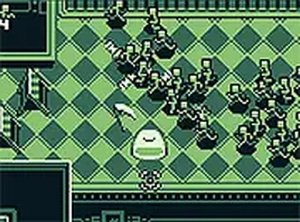
Corridor Defense Against Alien Forces drops players into narrow underground passages where sightlines are short and threats can appear from any direction. The darkness forces reliance on sound cues and movement patterns rather than visual confirmation. Unlike open-arena action games, every corner here carries potential danger, and the claustrophobic layout means retreat routes are never guaranteed. The atmosphere emphasizes strategic positioning over graphic content, keeping tension high through environmental constraint rather than shock value.
Each round sends a fresh set of alien creatures from different angles. Early waves serve as a tutorial for basic movement and aiming, while later waves mix enemy types that demand different responses. Some creatures charge in straight lines, others take indirect paths, and some appear in groups. Because the composition shifts each session, players cannot rely on a single tactic. Adapting positioning and equipment choices to the current wave becomes the core survival skill.
Between waves, players visit stations to improve carried tools. Enhancements can increase speed of use, reduce energy consumption, or add special effects. Scattered items provide temporary advantages or expand options. The central strategic choice is whether to invest in one powerful tool or maintain a balanced set. The system rewards planning over random collection, and each decision affects how the next wave plays out.
Standing still is rarely viable. Constant movement prevents encirclement, and learning corridor layouts helps identify safe spots and escape routes. Quick turns and sudden direction changes shake off pursuers. Controls are responsive enough for precise navigation in tight spaces. Each attempt offers a new challenge because enemy patterns shift randomly, and short session lengths make retrying after defeat easy. The game focuses purely on mechanics rather than story progression, with a difficulty curve that provides a clear sense of improvement as players anticipate threats and manage resources.
Sign in to comment
You must be logged in before posting a review or rating.
No comments yet. Be the first to comment!








Editorial Notes