 Mahjong Racer Games
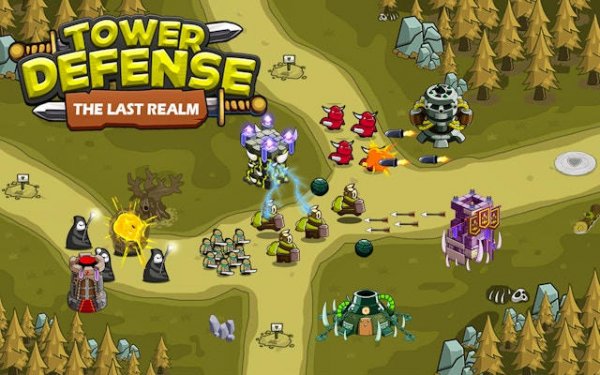
Castle Guard keeps its scope tight: fixed enemy routes, limited currency, and a clear choice between buying new towers or upgrading existing ones. The three difficulty settings add replay value by changing enemy count and speed without new content. Its lighthearted art style makes it accessible to younger players and anyone wanting relaxed strategy. The main limitation is that the input does not describe additional modes or features beyond this core loop.
Castle Guard hands you a fixed enemy route and a handful of tower slots. The core loop is simple: survey the incoming path, decide where each tower goes, and watch the wave resolve. Because the path never changes mid-level, your placement decisions carry permanent weight. A tower placed near a bend covers more ground than one stranded on a straightaway. Reading the terrain before spending a single coin is the difference between a clean defense and a castle breach.
Every defeated enemy adds to your in-game currency pool. That pool serves two purposes: buying new towers or upgrading the ones you already own. The tension comes from limited resources. Saving for a powerful late-game structure means leaving early waves under-defended. Reinforcing your current line keeps you safe now but may leave you short when tougher enemies arrive. There is no single correct answer, which is what makes the spending phase genuinely strategic rather than routine.
Each level supports Easy, Normal, and Hard settings. Higher difficulties increase both the count and the speed of enemies, so a strategy that works on Normal may collapse on Hard. Replaying a level on a tougher setting is not just a difficulty spike; it changes how you evaluate tower types and upgrade timing. This design adds replay value without introducing new maps or mechanics.
The art direction leans lighthearted. Enemies are drawn to be charming rather than menacing, and the overall atmosphere stays relaxed. There are no graphic sequences or intense moments. That makes Castle Guard approachable for younger players and for anyone who wants strategic thinking without stress. The challenge comes from planning, not from shock value.
Sign in to comment
You must be logged in before posting a review or rating.
No comments yet. Be the first to comment!









Editorial Notes