 Mahjong Racer Games
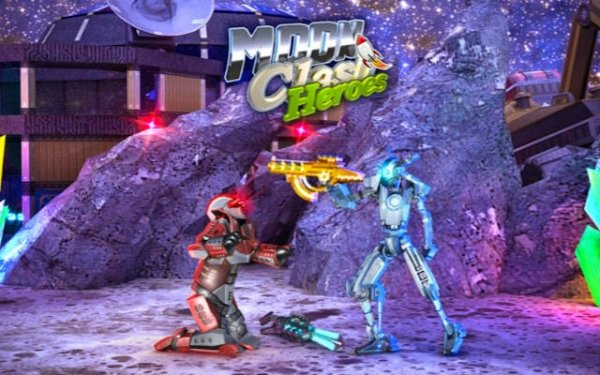
Command of the Moon Mech narrows its scope to one robot per player in a compact moon-base arena. That constraint works in its favor: every ability, corridor, and objective carries weight. The game suits players who enjoy reading situations and timing decisions rather than relying on reflexes alone. Its small robot roster and single-map focus keep the learning curve gentle, though players seeking large-scale battles or extensive customization may find the scope limited. The objective-based matches ensure that smart play, not just destruction, decides the winner.
Every match in Command of the Moon Mech revolves around a specific task that both players must complete. This could mean capturing a point, holding a zone, or delivering an item. The match continues until one player achieves the goal or the time limit expires. Because the win condition is not tied to destroying the opponent, a player who falls behind can still recover by adjusting their approach. The pace shifts quickly between cautious positioning and sudden bursts of action.
Before each match, you pick a robot from a small roster. These mechs are not cosmetic variations; each carries a distinct tool that changes how you engage. Some can turn briefly invisible, opening up surprise attacks or clean escapes. Others deploy a device that controls an area, forcing enemies to relocate or take damage. Finding the robot whose ability matches your instincts is part of the learning process, and trying different options is encouraged.
The arena sits on a moon base, and the layout matters as much as your mech's ability. Structures provide cover, open stretches leave you exposed, and elevated positions offer a wider view. The map is compact, so every corridor and corner carries tactical weight. Constant movement is necessary to avoid being trapped or outflanked. Good positioning can flip a losing fight, making terrain awareness a core skill rather than an afterthought.
Movement uses the keyboard, while aiming and activating abilities are handled with the mouse. This standard setup is immediately familiar to anyone who has played a computer game. The real depth comes from timing abilities correctly and memorizing the map's angles. New players can jump in without friction, but improvement rewards forward thinking over raw reflexes.
Sign in to comment
You must be logged in before posting a review or rating.
No comments yet. Be the first to comment!







Editorial Notes