 Mahjong Racer Games
Mahjong Racer Games
Mahjong Racer Games
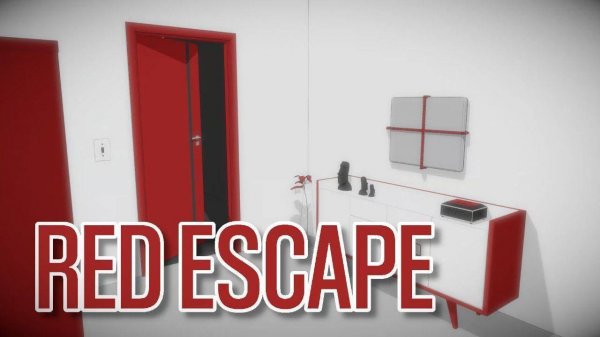
Logic Locks Escape Challenge stands out for its clean room design and satisfying puzzle progression. Each environment feels intentional, with clues that are challenging but fair. The lack of time pressure allows players to think deeply and enjoy the process of discovery. The inventory system adds a nice layer of strategy without becoming complicated. While it may not offer the high-energy action some players seek, its strength lies in providing a calm, mentally engaging experience that families can enjoy together.
Each room in Logic Locks Escape Challenge presents a self-contained puzzle environment. Unlike games that rely on action or speed, this title focuses entirely on mental engagement. Players examine furniture, wall decorations, and everyday objects for hidden mechanisms. The rooms are not randomly generated; each one is handcrafted to ensure that every visible item serves a purpose. This design philosophy means that nothing is placed arbitrarily, and successful players learn to trust that every detail matters.
As you explore, you collect items that are stored in a simple inventory system. The challenge lies not in finding these items, but in understanding how they interact with the environment. A key might open a drawer, but that drawer could contain a tool needed to loosen a vent cover. The game encourages creative thinking about item uses. Some puzzles require combining two objects to create a new tool, adding a layer of strategy to the exploration process.
Many puzzles in this game rely on recognizing patterns or following sequences. You might encounter a set of colored symbols that must be pressed in a specific order, or a series of lights that flash a code. These challenges test your ability to observe details and remember short sequences. The game does not penalize mistakes, so players can experiment freely without pressure. This makes it suitable for families and players of all ages who enjoy thoughtful problem-solving.
The rooms are designed with a clean, family-friendly visual style. Each environment tells a small story through its arrangement of objects. A study might contain books with titles that hint at a puzzle solution, while a kitchen might have utensils arranged in a meaningful pattern. The graphics are not photorealistic but are clear and detailed enough to make clues easily identifiable. This visual approach supports the core gameplay by making observation both rewarding and accessible.
There are no timers, no lives, and no penalties for taking breaks. Players can leave the game and return later without losing progress. This relaxed pacing is intentional, allowing individuals or groups to discuss solutions and work through puzzles together. The difficulty curve is gentle, with early rooms serving as tutorials that introduce basic mechanics. Later rooms build on these concepts, requiring deeper logical reasoning but never demanding quick reflexes.







Comments
Sign in to comment
You must be logged in before posting a review or rating.
No account? Create one
No comments yet. Be the first to comment!