 Mahjong Racer Games
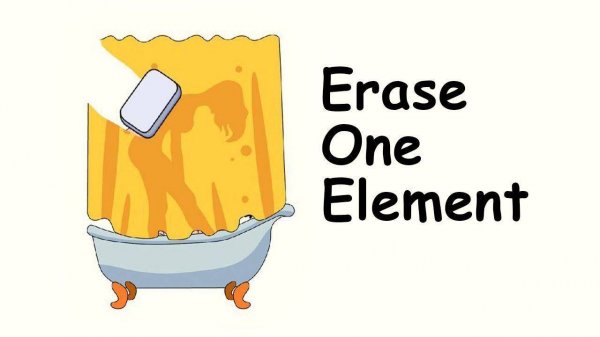
Spot the Odd Object Puzzle focuses on a single clean mechanic: find the one element that doesn't belong and tap it. The lack of penalties encourages experimentation, while the gradual difficulty curve adds subtle clues and red herrings without frustration. Bright, uncluttered scenes and gentle audio keep the tone relaxed. It suits children and adults who enjoy visual reasoning, though players seeking speed or competition may find the pace too slow.
Spot the Odd Object Puzzle presents a series of colorful illustrations, each containing a single element that doesn't belong. The mismatch might be a tool that clashes with the task at hand, a character dressed for the wrong weather, or an object out of place in that setting. Your job is to find it and tap it. The scene then resolves into something that makes sense, and that moment of clarity is the core reward.
The puzzles draw on everyday situations and whimsical scenes. Early examples are straightforward—a beach scene with a snowman, for instance. Later ones demand more thought, such as a kitchen missing a key ingredient for a recipe. Difficulty rises gradually, introducing more subtle clues and red herrings. That curve keeps the experience engaging without tipping into frustration. The bright, cheerful artwork makes each scene inviting to scan.
Tapping the wrong object carries no penalty; you simply try again. This design encourages experimentation and patience over speed. Players can form a theory, test it, and adjust. The game rewards careful observation rather than quick reflexes, which makes it accessible to both children and adults. The focus stays on the satisfaction of solving each visual puzzle.
The visual style is clean and uncluttered, with clear distinctions between objects so each scene is easy to scan. Soft background music and subtle sound effects accompany correct removals, providing gentle feedback without distraction. The interface is simple, with no complicated menus or settings to navigate, so you can move from one puzzle to the next without friction.
Regular play exercises attention to detail and logical reasoning. Analyzing each scene involves categorizing objects, understanding context, and making deductions—skills that transfer to everyday problem-solving. The game offers a structured way to exercise the mind in a relaxed setting, useful for casual entertainment or a mental warm-up.
Sign in to comment
You must be logged in before posting a review or rating.
No comments yet. Be the first to comment!







Editorial Notes