 Mahjong Racer Games
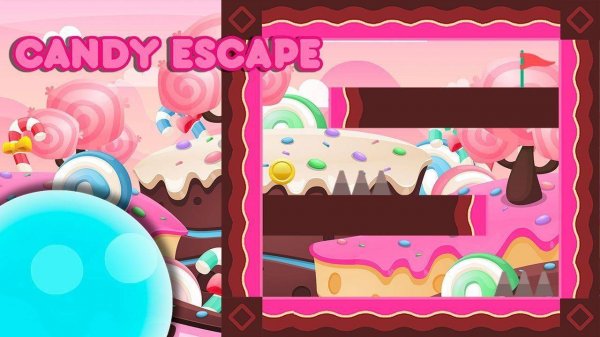
Sweet Corridor Gravity Challenge stands out by making the environment the puzzle. Instead of jumping and running, you tilt the entire stage to slide a character through candy-colored corridors. The mechanic forces you to think about angles, momentum, and route planning, especially when later levels add multi-layered platforms and tighter spaces. The pastel visuals and cheerful audio keep the tone light, making it approachable for younger players. The main limitation is that the input doesn't specify level count or multiplayer, so those looking for extensive content or social play should verify before buying.
Most platformers put you in direct control of a character. Sweet Corridor Gravity Challenge does the opposite: you tilt the entire stage left or right using simple keyboard inputs, and gravity does the rest. Your character slides and rolls along surfaces as the world shifts, turning each corridor into a spatial reasoning test. The challenge isn't timing jumps—it's deciding the correct angle to move forward without dropping into hazards. This single mechanic reshapes how you approach every screen.
Each stage is a closed corridor packed with platforms, gaps, and shiny collectibles. Spikes line certain paths to punish reckless tilting, while coins reward careful navigation. A checkered flag marks the exit, but reaching it means understanding how gravity shifts as you rotate the environment. Early levels introduce basic tilting so you can grasp the relationship between world angle and character movement. Later stages add multi-layered platforms and tighter spaces, forcing you to plan routes in advance because some paths become blocked after certain tilts.
The candy-themed world uses bright pastel colors and rounded shapes to create a welcoming atmosphere. Characters and obstacles are visually clear, helping you quickly assess the layout before making a move. A cheerful soundtrack and soft sound effects keep the experience lighthearted, making it suitable for younger audiences without feeling childish. The visual clarity matters here—when the whole world rotates, you need to read the screen fast, and the art style supports that.
Difficulty ramps up steadily by adding more obstacles and requiring longer sequences of rotations. Newcomers can learn the basics before facing more demanding puzzles, which keeps the game engaging without overwhelming players. Controls are limited to a few keys, so the focus stays on problem-solving rather than complex button combinations. That accessibility is a key strength: it lowers the barrier to entry while still offering depth through the gravity mechanic. The game fits players who enjoy logic puzzles and spatial challenges, and it works well for families looking for a shared gaming experience.
Sign in to comment
You must be logged in before posting a review or rating.
No comments yet. Be the first to comment!





Editorial Notes