 Mahjong Racer Games
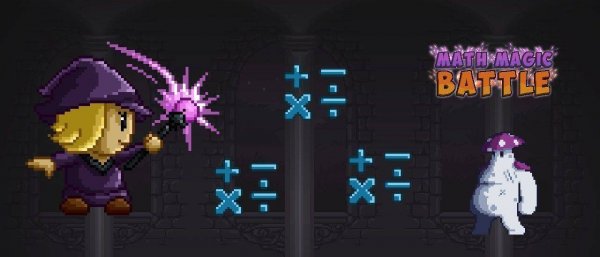
Number Wizard: Arithmetic Puzzles delivers exactly what its name suggests: timed multiple-choice math problems across addition, subtraction, multiplication, and division. The adaptive difficulty and progress tracker give it an edge over static drill apps, while local multiplayer adds a social layer for families or classrooms. The pixel-inspired presentation keeps things light. The main limitation is scope—it is a practice tool, not a full curriculum. Players seeking deep strategy or varied game modes will find it narrow, but for building arithmetic fluency, it stays on target.
Each round in Number Wizard presents a single arithmetic problem drawn from addition, subtraction, multiplication, or division. Players choose the correct answer from multiple choices before a timer expires. The game measures both speed and accuracy, so quick mental calculation matters as much as getting the right result. This stripped-down structure keeps attention on numerical fluency rather than layered distractions.
Problems escalate as players advance. Early levels stick to single-digit operations, while later stages introduce multi-digit numbers and mixed operation sets. The system adapts to individual performance, keeping the challenge appropriate for each player's current skill level. That gradual increase helps users build confidence step by step instead of hitting a sudden wall.
Bright, pixel-inspired graphics give the game a cheerful tone. Correct answers trigger small visual rewards, such as a sparkle or a character animation. Background music stays upbeat without overwhelming concentration. The interface uses large buttons and clear text, making it accessible for younger players and those new to puzzle games.
A built-in progress tracker shows personal bests, average response times, and accuracy percentages. This data helps players identify which operations need more practice. Optional daily challenges provide fresh problem sets, encouraging regular play without becoming repetitive.
For players who enjoy competition, a local multiplayer mode lets two players take turns answering problems. The system compares scores and times, adding a friendly element to the learning process. This mode suits family game nights or classroom settings where cooperative learning is encouraged.
Sign in to comment
You must be logged in before posting a review or rating.
No comments yet. Be the first to comment!








Editorial Notes