 Mahjong Racer Games
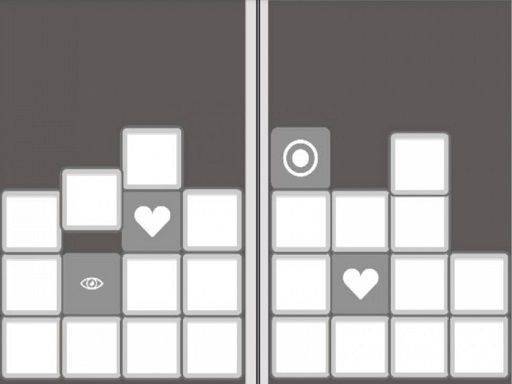
Picture Pair Recall Challenge does one thing and does it clearly: it asks you to remember where pictures are and match them in pairs. The self-paced structure removes time pressure, while the score and completion timer give you two ways to measure improvement. Bright, distinct icons keep the board readable, and the absence of chat, data collection, and in-app purchases makes it easy to recommend for families or classrooms. The main limitation is that it offers no multiplayer or story elements, so it appeals most to players who want a quiet, focused memory exercise rather than a competitive or narrative experience.
Each round starts with a grid of face-down tiles, every tile hiding a different picture. You flip two tiles at a time. When the images match, those tiles remain open and the pair leaves the board. When they don't, the tiles flip back after a short pause. The whole game hinges on one skill: remembering which picture sits where. There is no timer forcing your hand, so you can study the board as long as you like before each flip. That self-paced structure makes every move a deliberate recall test rather than a reflex challenge.
The difficulty curve comes from two levers. First, the grid can grow larger, which means more positions to track and more potential mismatches. Second, the images themselves can become more similar, so a quick glance is no longer enough to tell two tiles apart. Both changes raise the memory load without adding new rules. The game also records your score and the time taken to clear the board, giving you two separate measures to improve: accuracy and speed. That dual tracking encourages repeated attempts, since a faster clear or a higher score is always within reach.
Input is limited to simple taps, and the game supports touchscreens, keyboards, and mice. The icons are bright and visually distinct, which reduces eye strain during longer sessions and keeps the matching task readable at a glance. The interface stays uncluttered, so nothing competes with the tiles for attention. Because the rules are minimal, players of any age can start without a tutorial. The lack of chat, personal data collection, and in-app purchases also makes it suitable for school or home use.
This is a low-pressure game. There is no competition against other players and no penalty for a wrong flip beyond the tiles resetting. That makes it a reasonable choice for anyone who wants a short mental workout without stress. Regular play can exercise short-term memory and attention to detail, since holding multiple image positions in mind is the core demand. Families can play together because the visuals contain no violent or mature themes, and younger players can participate on equal footing with adults.
Sign in to comment
You must be logged in before posting a review or rating.
No comments yet. Be the first to comment!








Editorial Notes