 Mahjong Racer Games
Mahjong Racer Games
Mahjong Racer Games
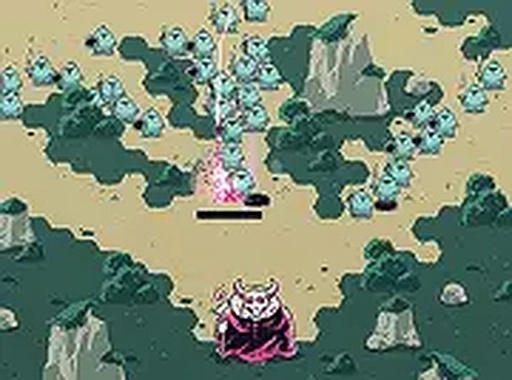
Forest Guardian Tactics stands out for its simple yet deep energy management system. Players must constantly weigh immediate needs against future upgrades, creating a satisfying strategic puzzle. The wave escalation feels fair but demanding, pushing you to refine your layout every few minutes. Visual clarity helps you track visitor movements without clutter. The randomized starting conditions ensure each session feels fresh. This is a solid choice for anyone who enjoys tactical planning in a compact, browser-based format.
At the heart of this experience lies a careful balance between observation and action. Players watch the movement patterns of approaching visitors and decide where to place barriers made from logs, rocks, and vines. Each barrier must be positioned to guide visitors away from the central campsite. The challenge comes from limited starting materials and the need to predict where visitors will walk next. Every placement matters because resources are scarce at the beginning. Success depends on reading the terrain and understanding how visitors react to blocked paths.
Visitors that are successfully redirected or stopped provide a resource called energy. This energy is the currency for all upgrades and new barrier types. Early in each session, small groups of visitors yield modest energy, which must be invested wisely. Players decide between building more barriers immediately or saving energy for larger, more effective obstacles later. The energy system creates a natural tension between short-term safety and long-term strength. As the game progresses, visitors become more numerous and determined, requiring bigger investments to keep them away from the campsite.
Visitors arrive in waves, with each wave presenting a slightly different challenge. Some waves bring larger groups, while others feature visitors that move faster or take different routes. This variety prevents any single strategy from working every time. Players must adapt their barrier layout between waves, sometimes removing old obstacles to make room for new ones. The escalating difficulty ensures that the game remains engaging even after many play sessions. Each new wave tests whether the player has planned ahead and managed their energy well.
The game uses a clear, top-down view that shows the entire play area. Visitors are represented as simple figures that move along visible paths. Barriers appear as distinct objects that change color or size when upgraded. Energy levels are displayed in a prominent meter, and a wave counter shows how many groups remain. This visual clarity helps players make quick decisions without confusion. The interface is minimal, focusing attention on the strategic elements rather than decorative details. The overall look is functional and easy to read, which supports the tactical gameplay.
No two sessions play out exactly the same because visitor patterns are randomized within each wave. The starting layout of trees and rocks also changes, forcing players to adapt their initial plans. Over time, players unlock new barrier types that open up different strategies. Some barriers slow visitors down, while others completely block certain paths. Experimenting with different combinations keeps the experience fresh. The endless wave format means there is always another challenge waiting, encouraging players to refine their approach and achieve higher scores.
Comments
Sign in to comment
You must be logged in before posting a review or rating.
No account? Create one
No comments yet. Be the first to comment!