 Mahjong Racer Games
Mahjong Racer Games
Mahjong Racer Games
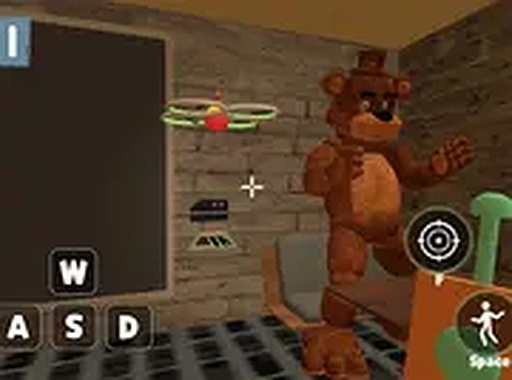
Hidden Exit: Logic Challenge stands out for its deliberate pacing and clever puzzle design. The room-by-room structure gives each area a distinct identity, and the item combination system adds depth without becoming tedious. Sound cues are used effectively to guide attention. The game respects the player's intelligence, offering challenges that feel earned rather than arbitrary. It is a solid choice for anyone who enjoys methodical problem-solving in a calm, focused setting.
Each room in Hidden Exit: Logic Challenge presents a self-contained puzzle environment. Players must examine their surroundings closely, noting details that might reveal a hidden object or a sequence to follow. The layout changes from one room to the next, ensuring that no two areas feel the same. Some rooms may require rearranging objects, while others ask the player to interpret patterns on walls or floors. This variety keeps the gameplay fresh and encourages a methodical approach to exploration.
Throughout the game, players pick up various items that can be stored in an inventory. These objects are not always used immediately; sometimes a key found in one room unlocks a drawer in another. The challenge lies in remembering where each item was seen and figuring out how it fits into the larger puzzle. Combining items is occasionally necessary, such as attaching a handle to a tool to reach a high shelf. This system rewards careful inventory management and logical thinking.
The visual style uses muted colors and dim lighting to create a focused, contemplative mood. Sound effects play a role in guiding the player—a distant creak might indicate a hidden passage, while a soft hum could signal an active mechanism. These audio cues are subtle and require attentive listening. The overall design aims to immerse the player in a quiet, thoughtful experience where every detail matters.
As players advance, the puzzles gradually increase in complexity. Early rooms introduce basic concepts like finding a single key, while later stages require multi-step solutions involving several items and environmental changes. The game may include alternative solutions or hidden areas that reward thorough exploration. This structure gives players a reason to revisit completed rooms, looking for clues they might have missed on a first playthrough.
Not every action is reversible, so players must think before they act. Moving an object might block a path, or using an item in one place might prevent its use elsewhere. This element of consequence adds a layer of strategy beyond simple puzzle solving. Players learn to plan their route and item usage carefully, weighing options before committing to a choice. The game encourages patience and deliberate decision-making.




Comments
Sign in to comment
You must be logged in before posting a review or rating.
No account? Create one
No comments yet. Be the first to comment!