Reading Each Room
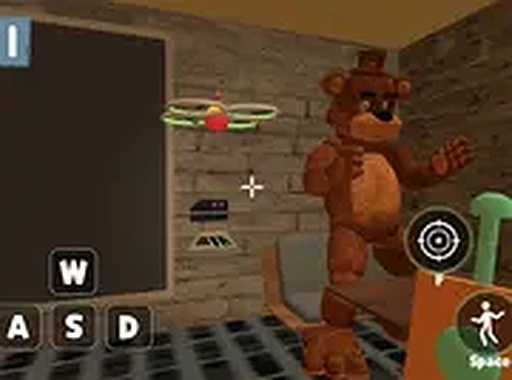
Every room in Hidden Exit: Logic Challenge works as a self-contained puzzle. You scan walls, floors, and objects for details that point to a hidden item or a sequence worth following. Layouts change from one area to the next, so the habits that solved an earlier room rarely transfer cleanly. Some spaces ask you to rearrange objects; others want you to interpret patterns. That variety pushes a methodical approach rather than guesswork. [IMG_1]
Items, Inventory, and Combination
Collected objects sit in an inventory and are not always used where you find them. A key picked up in one room might open a drawer somewhere else, which makes memory part of the puzzle. Combining items is occasionally required, such as fitting a handle onto a tool so it can reach a high shelf. Careful inventory management and logical thinking carry more weight here than speed. [IMG_2]
Sound as a Clue
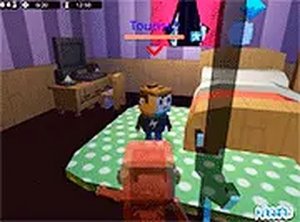
The visual style leans on muted colors and dim lighting to keep attention on details. Audio does real work too: a distant creak can signal a hidden passage, while a soft hum may mean a mechanism is active. These cues stay subtle, so attentive listening is part of solving. The overall effect is a quiet, contemplative mood where small observations matter. [IMG_3]
Progression and Deliberate Choices
Complexity rises as you advance. Early rooms teach basic ideas like locating a single key, while later stages chain several items and environmental changes into multi-step solutions. Not every action is reversible, so moving an object might block a path or using an item in one spot could prevent its use elsewhere. That consequence layer rewards planning your route and weighing options before committing.
Compatibility
✅ Works on PC & Mobile | Recommended: Chrome / Safari / Edge
 Mahjong Racer Games








Editorial Notes