 Mahjong Racer Games
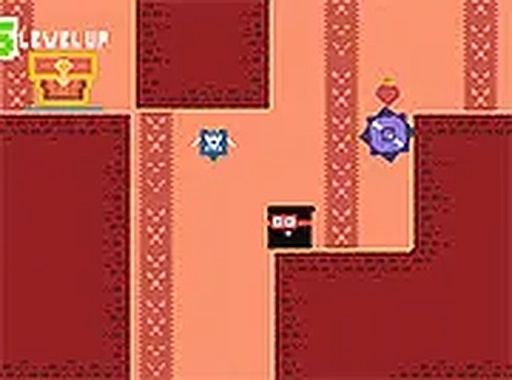
Shadow Runner Dungeon Quest stands out for what it refuses to do: it never asks for speed. Success comes from reading hazard patterns and timing jumps, which makes the game welcoming to newcomers while still testing experienced platformer players. The minimal desktop and mobile controls keep attention on the level rather than the input. Its main limitation is a lack of scoring, so motivation rests on the satisfaction of clearing stages. Best suited to players who enjoy deliberate, low-pressure platforming in short sessions.
Shadow Runner Dungeon Quest is a side-scrolling platformer set in underground environments. Each stage asks one thing of the player: reach the exit without touching the hazards in between. Those hazards include pools of hot liquid, rotating mechanisms, and sharp protrusions from walls or floors. The game does not reward rushing. Instead, it rewards watching a pattern long enough to understand it, then moving at the right moment. That single design choice shapes everything else about how the game plays. [IMG_1]
Every level presents a new arrangement of threats and pathways. Early stages function as a tutorial, letting players learn the basic movement and jump mechanics in low-risk situations. Later stages combine the same hazards into tighter patterns, so clearing them depends on observation and planning rather than reflexes alone. This progression makes the game approachable for newcomers while still giving experienced platformer players something to solve. [IMG_2]
The game runs directly in a web browser with no download or installation. On desktop, keyboard keys handle movement and jumping. On mobile, a simple tap interface triggers the jump. The control scheme is deliberately minimal, so attention stays on the environment instead of on remembering button combinations. That minimalism also means the challenge comes from reading the level, not from fighting the controls.
The underground aesthetic is dark, with glowing elements marking hazards and paths. This contrast is functional: safe ground and dangerous surfaces are easy to tell apart at a glance. The art stays family-friendly, with no graphic or disturbing imagery, and the tone leans toward exploration and careful movement rather than tension or fear.
Levels can be replayed to improve performance or simply to enjoy the layout again. There is no explicit scoring system, so the reward for clearing a difficult stage is the satisfaction of having read it correctly. Because stages are short, the game suits quick breaks and casual sessions as much as longer practice.
Sign in to comment
You must be logged in before posting a review or rating.
No comments yet. Be the first to comment!







Editorial Notes