 Mahjong Racer Games
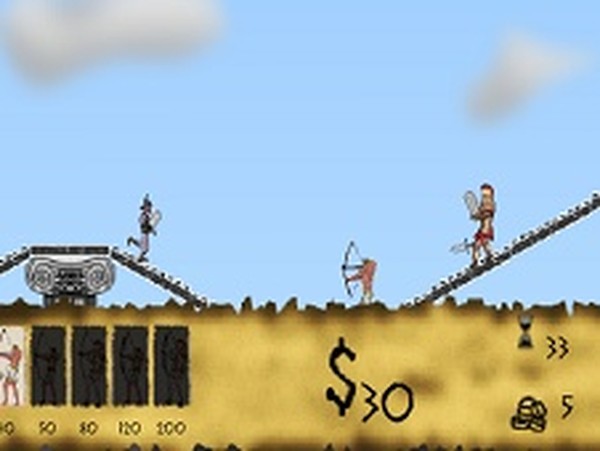
Roman Treasury Guardians stands out for its emphasis on unit placement over sheer numbers. The resource system forces meaningful decisions between quantity and quality. Each wave introduces new challenges that keep the gameplay engaging. The steady difficulty curve ensures players have time to learn enemy patterns. Fans of strategic planning will find plenty to appreciate here.
In Roman Treasury Guardians, the central activity involves arranging defenders along a predetermined route. Each unit type serves a distinct purpose: some strike from a distance, while others hold the line at close quarters. The challenge lies in matching these abilities to the terrain and enemy movement patterns. Positioning a ranged unit on a curve, for instance, can extend its effective coverage area. Players must evaluate each placement for maximum impact, as a poorly positioned defender may leave gaps that attackers can exploit.
Gold earned between waves serves as the primary resource for purchasing and improving units. Deciding whether to invest in multiple low-cost defenders or a single high-value upgrade shapes each playthrough. This system encourages thoughtful budgeting, as overspending early can leave the treasury vulnerable to later, more demanding waves. Upgrades not only enhance damage output but also expand a unit's range or durability, making them essential for handling the escalating difficulty.
Each level presents a series of waves, with enemies growing in both number and resilience. Some foes may move quickly, while others possess greater health, requiring adjustments to the defensive line. The game does not reveal enemy compositions in advance, so players must learn through observation and adapt on the fly. This progressive introduction of new threats keeps the experience fresh and prevents any single strategy from dominating all levels.
The campaign is structured around multiple stages, each introducing new map layouts and enemy combinations. Early levels serve as a tutorial for basic mechanics, while later stages demand precise placement and efficient resource use. Success in later levels often hinges on mastering the strengths of each unit type and understanding how they complement one another. The difficulty ramp is steady, giving players time to refine their approach without feeling overwhelmed.







Comments
Sign in to comment
You must be logged in before posting a review or rating.
No account? Create one
No comments yet. Be the first to comment!