 Mahjong Racer Games
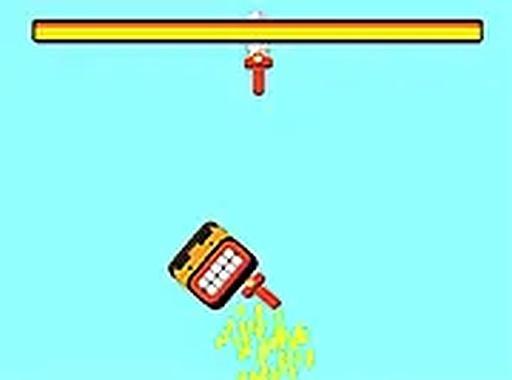
Precision Toss Challenge keeps its scope narrow: hit a moving target, with only a few attempts per round. That restraint is the appeal. There are no upgrades or story to distract from reading the target's rhythm and releasing at the right moment. The browser format and touch-or-mouse controls make it easy to pick up on phone or desktop. The limitation is equally clear: players wanting depth, progression, or variety will find little beyond repeated rounds of the same core test.
Precision Toss Challenge is a browser-based test of timing and hand-eye coordination. The objective never changes: land a throw on a target that is already in motion. You watch the target travel, judge the moment, and release. There is no story, no inventory, and no meter to manage, which keeps attention fixed on the throw itself. The target follows a predictable path, so the real work is reading its rhythm rather than reacting to randomness.
Each round hands you a limited number of attempts. That single rule changes how the game feels. A missed throw is not just a miss; it spends a resource you cannot get back until the next round. Players who rush tend to burn attempts early, while those who wait for a clean window give themselves a better chance. When the attempts run out without a hit, the round closes and you can start again. The short loop makes failure cheap and repetition easy.
On a computer, the mouse aims and a click releases the throw. On a touch screen, a tap or swipe does the same job. Neither scheme requires a tutorial, which is why new players can take a shot within seconds of loading the page. The game runs in a web browser with no installation or special software, and it works on both phones and desktops. That portability suits short breaks, but the limited-attempt rule means a session can end faster than expected if your timing slips.
The target may change speed or direction, so a throw that worked a moment ago is not guaranteed to work again. Success comes from tracking the pattern and releasing at a consistent point in its motion. Patience matters here: waiting one extra beat often produces a better result than throwing early. Because the game rewards consistent practice, improvement tends to show up gradually across rounds rather than in a single lucky hit.
Sign in to comment
You must be logged in before posting a review or rating.
No comments yet. Be the first to comment!










Editorial Notes