 Mahjong Racer Games
Mahjong Racer Games
Mahjong Racer Games
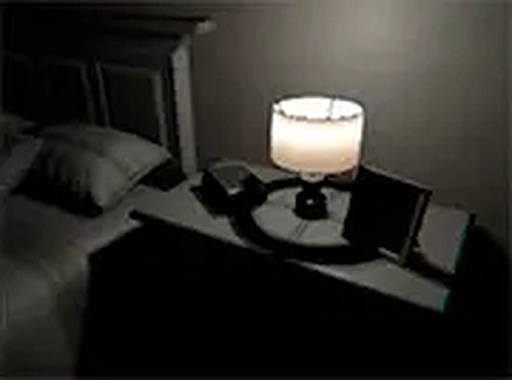
Night House Mystery Puzzle stands out for its clever use of sound as a gameplay mechanic. The quiet atmosphere and lack of pressure make it ideal for players who dislike timed challenges. Exploration feels meaningful, with each room holding small surprises that build a coherent mystery. The simple controls and short runtime make it easy to fit into a busy day. A refreshing, thoughtful experience that respects the player's pace.
The game places you inside a residential building after dark. Lighting is subdued, with shadows stretching across hallways and furniture. Occasional creaks or taps break the silence, drawing attention to specific locations. This environment encourages slow, deliberate movement through each space. The absence of timers or threats allows players to absorb the mood and focus on subtle details. Rooms vary in layout, with objects placed naturally, as one might find in a real home. The overall tone remains calm, making it suitable for players seeking a low-pressure experience.
Players guide a character through interconnected rooms using standard keyboard controls. Movement is smooth, with responsive input for turning and interacting. Each room presents a small set of objects to examine. Clicking on items may reveal notes, shift furniture, or trigger a change in the environment. The game rewards thorough inspection—something as simple as a picture frame or a book on a shelf might hold a clue. There is no combat or time limit, so players can return to earlier areas as needed. The loop of entering a room, scanning for interactable elements, and noting changes keeps engagement steady without overwhelming the player.
Sound plays a central role in navigation. Distinct noises—like a floorboard squeak or a distant tap—emanate from specific directions. Listening carefully helps pinpoint which room or object to investigate next. The audio design avoids sudden loud bursts, maintaining a consistent, ambient quality. Headphones can enhance the experience, making it easier to distinguish between subtle cues. This reliance on auditory information sets the game apart from visual-only puzzles, adding a layer of sensory involvement that deepens immersion.
The game is structured for short sessions, with each playthrough lasting roughly 20 to 40 minutes depending on observation skills. A pause function allows breaks at any point. Full-screen mode improves visibility of small details. Controls are simple enough for new players, yet the puzzle logic requires careful thought. There are no difficulty settings, but the open-ended exploration means players can progress at their own speed. The experience is designed to be inclusive, with no flashing lights or intense sequences that might cause discomfort.
Story elements unfold organically as players piece together environmental clues. There is no dialogue or text-heavy exposition. Instead, the narrative emerges from the arrangement of objects, the sequence of sounds, and the changes observed after certain actions. This approach respects player intelligence, allowing personal interpretation of the events. The mystery is self-contained, with a clear resolution that rewards attentive play. The lack of explicit storytelling makes each discovery feel personal and earned.





Comments
Sign in to comment
You must be logged in before posting a review or rating.
No account? Create one
No comments yet. Be the first to comment!